Shortlisted by International Yacht & Aviation Awards
Manfred Nagl is the CEO of HILITECH GmbH, a leading developer of lightweight cabin systems and composite components for aviation, vachting, and other premium markets With a background in technology and engineering, Manfred's career spans roles that blend design, materials, and manufacturing into cohesive, high-performance solutions. Under his leadership HILITECH has become an internationally recognised composite competence center, pioneering innovations like COMPOSITE DECOR, which transform structural materials into striking design elements. Passionate about aligning technical precision with aesthetic impact, Manfred champions projects that combine lightweight performance, certified processes, and visible material identity. His vision is to continue advancing HILITECH as a boutique hub for refined, reliable, and visually compelling composite solutions, where craftsmanship, engineering, and design converge seamlessly.is
Can you share an overview of your background in design and your current role?
My professional path did not begin with classical design, but in technology and engineering.
For me, design, materials and manufacturing are never separate disciplines. The real challenge lies in aligning them into a reliable and repeatable system.
Before joining HILITECH, the experience at F/LIST, gave me deep insight into the requirements of premium aircraft interiors, where craftsmanship, engineering precision and certified processes must work together seamlessly.
Over the past years, being the CEO of HILITECH, we have developed the company into an internationally recognized composite competence center for aviation, yachting and other premium markets.
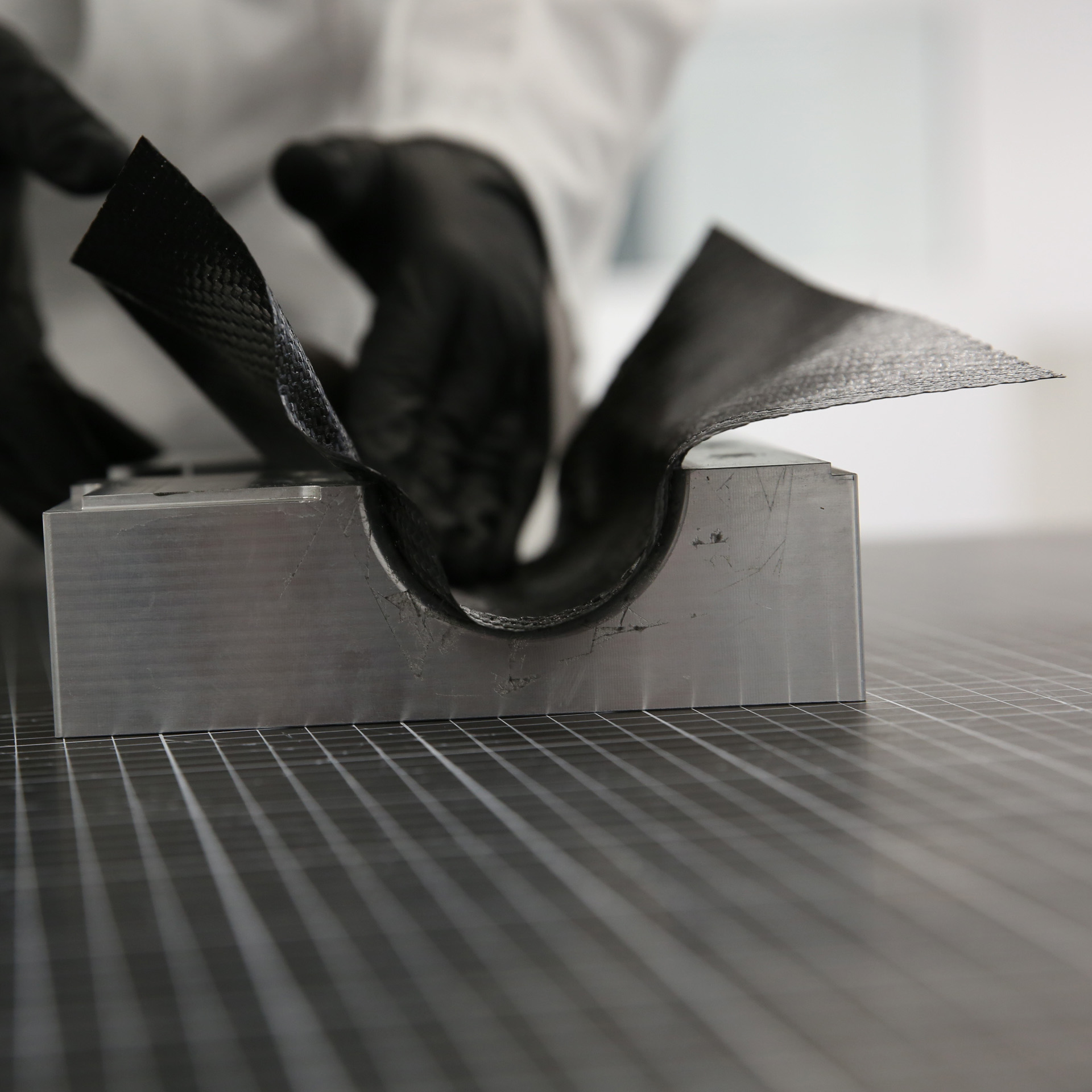
One area that particularly fascinates me is how composites can evolve from purely structural materials into visible design elements. With developments such as our URA series, we explored how COMPOSITE DECOR can create a clear material identity - composites can do much more than reduce weight. They become a Statement element of the environment itself.
What projects are you currently working on, and can you share any details with us?
At the moment, a significant part of our work focuses on expanding our COMPOSITE DECOR capabilities. We see a clear shift in the market where composites are no longer used only for structural lightweight components, but increasingly as visible design surfaces in premium environments. Our current efforts therefore concentrate on further developing and certifying our COMPOSITE DECOR systems. The goal is to provide designers and those in related fields with a surface solution that combines refined aesthetics with the strict regulatory requirements found in industries such as aviation. We work intensively on certification aspects, such as flammability performance, long-term stability under temperature changes, and consistent surface quality across flat laminates and complex 3D geometries.
In parallel, we are continuing to advance projects within LIGHTWEIGHT SOLUTIONS. These projects enable us to develop structural composite components, prototypes, and series production for the aviation industry and other high-performance sectors where weight reduction, precision manufacturing, and repeatability are essential.
How important is communication in the design process?
Open communication is key because design rarely happens in isolation. In projects involving advanced materials and complex manufacturing processes, a variety of different perspectives converge. Designers, engineers, materials specialists and production teams approach projects from different angles, and good communication aligns these viewpoints to achieve a coherent result.
In the early stages of a project, communication is essential for translating ideas into technically feasible solutions. Designers tend to consider form, atmosphere and visual impact, whereas engineers evaluate structural behaviour, manufacturability and regulatory requirements. Bringing these perspectives together from the very beginning prevents unnecessary compromises later in the process.
Communication is also important when discussing the materials themselves. Composites behave differently to traditional materials such as metal or wood. Their visual character, structural properties and production processes influence what is possible in terms of geometry, surface expression and durability. When everyone involved clearly understands these aspects, design decisions become more informed and intentional.
What would you say to someone just starting in the industry?
I would encourage them to maintain their curiosity about materials and how things are made. Today, many industries have a strong focus on digital design tools and visualization, which are important, of course. At the same time, understanding the physical behavior of materials and the reality of production is equally valuable.
Spending time in manufacturing environments can be incredibly helpful. Seeing how components are produced, how materials react during processing, and how small adjustments influence the final result provides a much deeper understanding than theory alone.
I would also advise young professionals not to think too strictly about their role. Design, engineering, and production are becoming increasingly interconnected. The most interesting solutions often emerge when people understand more than just their own discipline.
What projects have defined your journey?
One project that defined my journey was developing the worlds lightest business jet cabin with weight savings of up to 30 percent on the monuments.
In business aviation, reducing weight directly translates into operational advantages. A lighter cabin enables the business jet to fly farther, consume less fuel, and carry more payload. Achieving this level of weight reduction while maintaining aviation's structural and certification requirements was a significant engineering feat.
Furthermore, the aircraft was made more interesting by the optional integration of visible COMPOSITE DECOR. The carbon surfaces become a design statement that aligned with the planesoverall aesthetic concept.
For me, this project illustrates how composites can combine performance and design. A LIGHTWEIGHT SOLUTION, certified manufacturing, and material expression worked together to create a result that delivered technical and visual value.
What inspires or motivates you most in your work?
For me, the most inspiring part of the work is seeing an idea become a reality. Many projects start with a vision of what something could look like or how it could perform. The real challenge lies in translating that vision into material solutions that work.
Composites play a fascinating role in this process. It enables the creation of shapes, structures, and surfaces that would be difficult or impossible with traditional materials. At the same time, the material has a unique visual quality. When handled with precision, it can contribute to a space's performance, atmosphere, and identity.
I find it particularly motivating when these aspects come together in a project. An idea that initially exists only as a concept gradually takes form through engineering, craftsmanship, and manufacturing. Seeing that transformation, from the initial design to the finished component, always inspires me.
How do you see design evolving? What trends are emerging in aesthetics, technology, and sustainability?
Design is becoming more closely connected to materials and manufacturing. Rather than starting with form alone, many projects now begin with a deeper understanding of how materials behave and what they enable designers to achieve.
A clear trend is the growing appreciation for authentic material expression. Rather than covering surfaces, designers are increasingly highlighting the material itself. COMPOSITE DECOR, for example, offers structural performance and distinctive visual character, making it attractive in premium environments.
At the same time, sustainability continues to influence design decisions. LIGHTWEIGHT SOLUTIONS and efficient structures play an important role because reducing weight improves energy efficiency in many industries.
Overall, the direction is clear: design, technology, and responsibility are becoming more closely aligned to create solutions where performance and aesthetics support each other.
What excites you most about the industry?
The opportunity to transform seemingly impossible ideas into reality is what excites me most. In aviation, yachting, and other premium markets, the bar is set high for technical and aesthetic standards.
Designing solutions that meet strict technical requirements while delivering unique visual appeal is a fascinating challenge. This process requires creativity, engineering precision, and an in-depth knowledge of materials.
There is also a fulfilling sense of accomplishment in creating objects and environments that people truly love. When technology, craftsmanship, and design come together successfully, the result is not only functional, it's also a Statement.
What is your vision for the future of your business?
Our vision is to strengthen HILITECH even further as a composite competence center where LIGHTWEIGHT SOLUTIONS and COMPOSITE DECOR expertise come together in a BOUTIQUE mindset.
HILITECH was originally established through the development of ultra-lightweight cabin interior for aviation. This foundation continues to influence our work today. Over time, our understanding of composite materials has expanded beyond purely structural applications.
With developments such as the METURA, we see growing opportunities to use COMPOSITE DECOR surfaces for more than just performance, including as key elements in premium environments. These surfaces and finishes allow designers to create distinctive interiors while meeting the technical standards required in regulated industries.
Across all applications, we maintain a BOUTIQUE mindset driven by craftsmanship, material expertise, and process discipline. This enables us to deliver highly refined components while ensuring consistent quality and surface precision.
We combine LIGHTWEIGHT SOLUTIONS with COMPOSITE DECOR surfaces to support projects in the aviation, yachting, and other premium markets, where structural performance, material expression, and design intent are closely connected.
Is there anything else you would like to add?
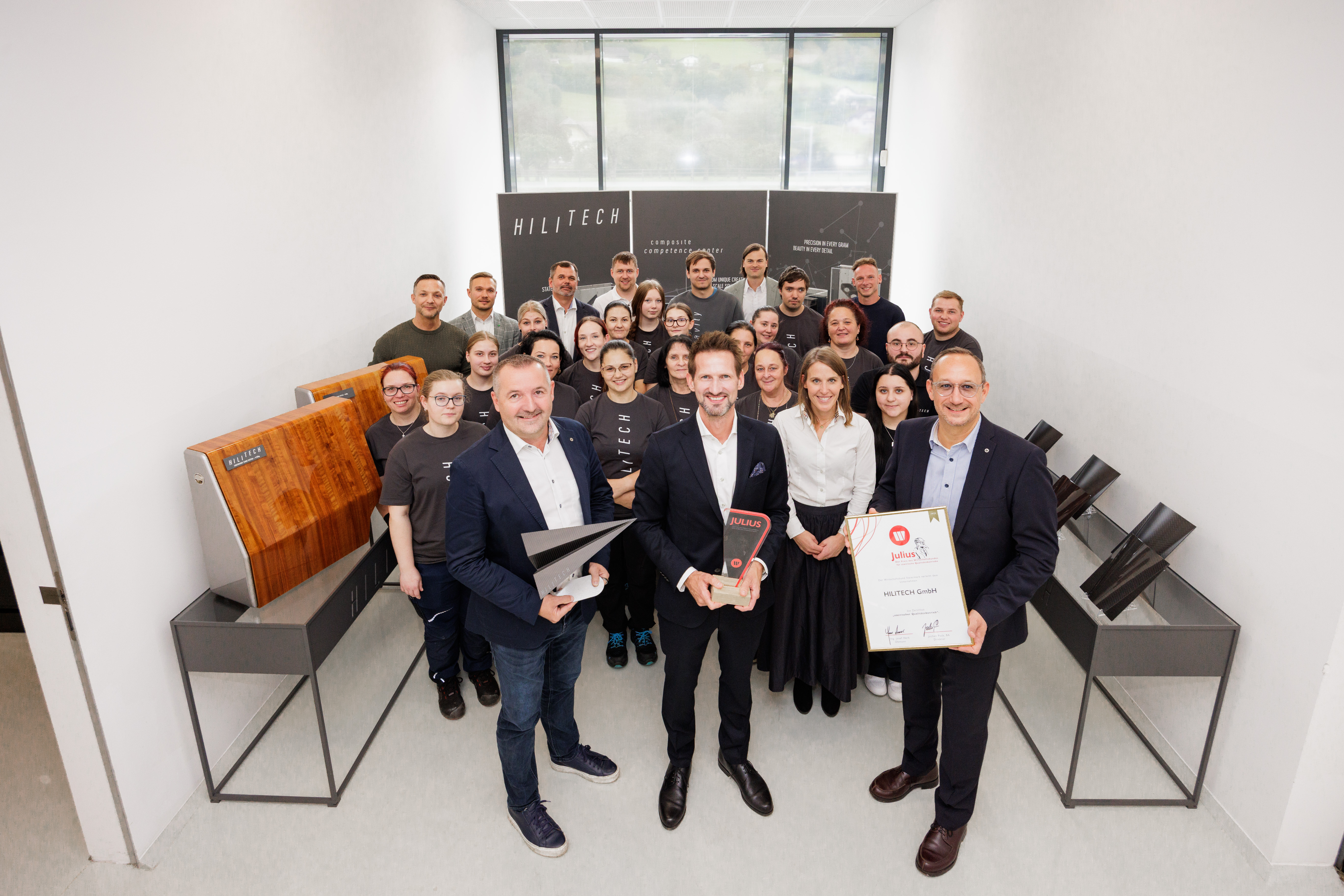
We are grateful to be part of the International Yacht & Aviation Awards, and we are honored that our work has been recognized. It is encouraging to see new material approaches and design solutions receive attention within the industry.
What makes this achievement even more meaningful for us is that HILITECH's Metura can support a wide range of projects. Whether in aviation, yachting, or other premium environments, COMPOSITE DECOR can adapt to a wide range of forms, scales, and design concepts while maintaining consistent material quality.
This flexibility is one of the most exciting aspects of working with composites for us. It enables designers and manufacturers to create distinctive projects while maintaining the precision and reliability these industries require.


Ready to shape your next statement?
We bring your vision to life through tailored solutions
Connect
Share your unique idea
We'll handle the complexity
8650 Kindberg
Send us your inquiry